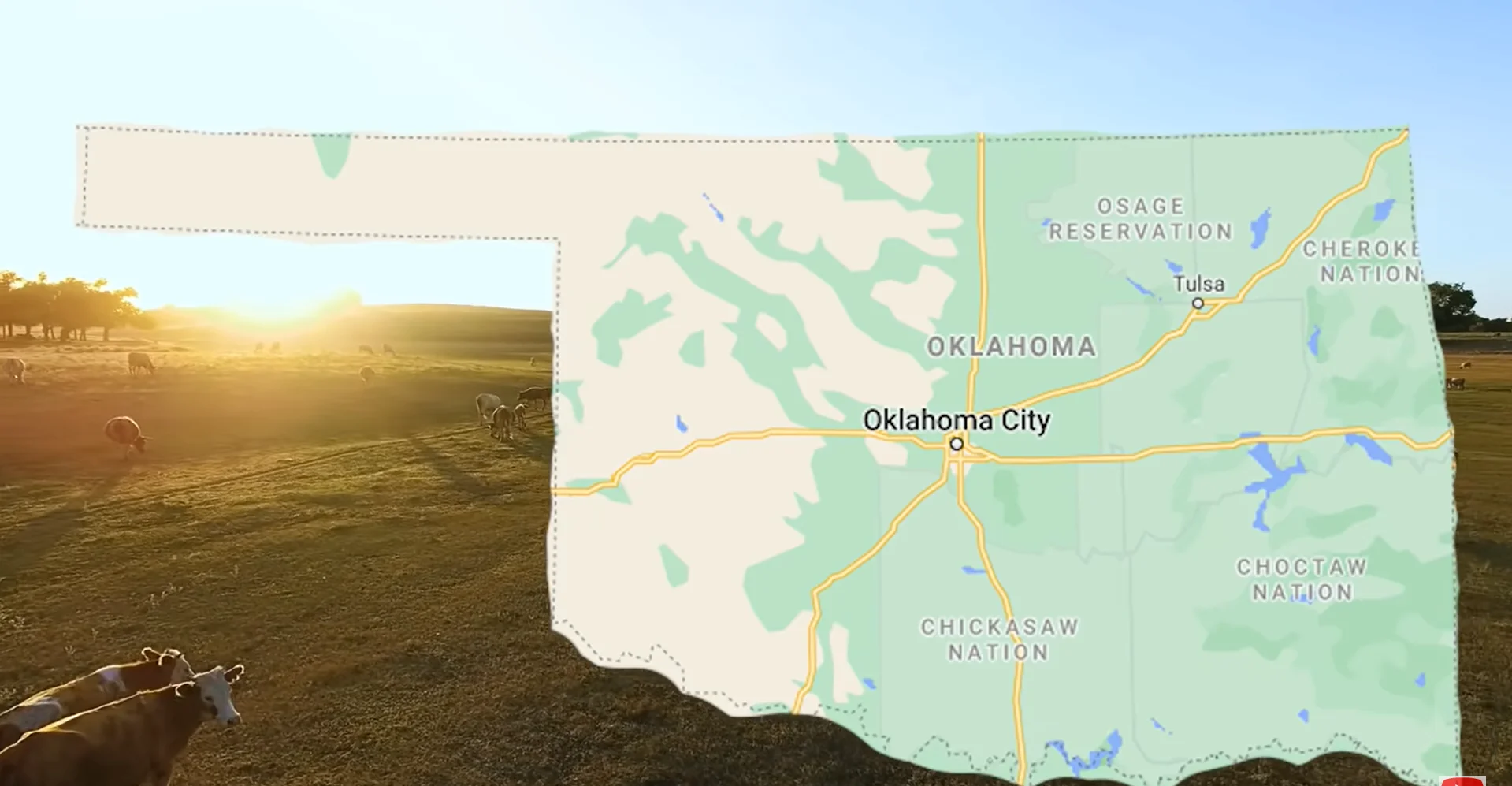

In Oklahoma, electric bikes (ebikes) are gaining popularity as a versatile mode of transportation, blending the benefits of traditional bicycles with the added boost of electric power. However, navigating the legal landscape governing their use requires understanding specific state regulations. The state of Oklahoma has outlined clear guidelines that dictate where, how, and by whom these ebikes can be operated, ensuring safety and legality on the road.
One critical aspect of Oklahoma’s ebike laws is the adherence to traffic laws, which are applicable to both traditional bicycles and ebikes. This means that as an ebike rider, you’re expected to obey all traffic signs and signals, ensuring a harmonious coexistence with other road users. This adherence plays a pivotal role in promoting road safety and reducing the chances of accidents.
Moreover, Oklahoma has specific regulations regarding where ebikes can be legally ridden. Trails and paths that allow ebike use are clearly marked, and riders are encouraged to verify accessibility with local land management authorities. This proactive approach helps in avoiding trespassing on restricted paths and ensures that ebike riders only traverse areas that are safe and legally permissible.
The state also imposes age restrictions on the operation of certain classes of ebikes, particularly Class 3 ebikes, where riders must be at least 16 years old. Such measures are in place to ensure that operators have the requisite maturity and skill level to handle these faster-moving vehicles safely.
Local jurisdictions within Oklahoma may have additional rules or restrictions concerning ebike use. These variations underscore the importance of familiarizing yourself with not just state-wide regulations but also local ordinances in your specific area. Staying informed about these rules can significantly enhance your riding experience and ensure compliance.
Understanding Oklahoma’s electric bike laws is crucial for anyone looking to explore the state on two wheels. By staying informed about licensing requirements, classification of ebikes, and where they can be legally ridden, you can enjoy the benefits of ebike riding while ensuring you’re within the bounds of the law.
As ebikes continue to rise in popularity, Oklahoma’s comprehensive legal framework provides a solid foundation for safe and enjoyable riding. Whether you’re commuting, exploring scenic trails, or simply enjoying a leisurely ride, adhering to these regulations will ensure that your ebike adventure in Oklahoma is both lawful and pleasurable.
The state of Oklahoma defines electric bikes as bicycles equipped with fully functional pedals and a motor that does not exceed 1000W. Additionally, these vehicles are designed to have a maximum speed of 20mph, ensuring that when combined with human power, the speed does not exceed this limit. This definition sets the foundation for understanding and abiding by Oklahoma’s ebike regulations.
This specific delineation by the state of Oklahoma underscores the importance of recognizing ebikes as distinct from traditional bicycles and motorized vehicles. It helps in setting the stage for the appropriate legal and safety measures applicable to ebike riders. By establishing these parameters, Oklahoma ensures a balanced approach to regulating ebikes, promoting their use while ensuring public safety.
For prospective and current ebike owners in Oklahoma, comprehending these regulations is the first step towards responsible ownership and operation. Knowing the limits set by the state not only aids in selecting the right ebike but also in adhering to laws designed to protect both the riders and the general public. As such, familiarity with these specifics is indispensable for anyone looking to navigate the roads of Oklahoma on an electric bike.
In Oklahoma, the nuanced approach to ebike regulation extends to licensing requirements, influenced by the state’s definition of electric bikes. Given that ebikes are categorized similarly to traditional bicycles, with the addition of an electric motor, the state does not mandate a driver’s license for operating an ebike. This decision significantly lowers the barrier to entry for potential ebike riders, encouraging more residents to consider this eco-friendly mode of transportation.
However, the lack of a licensing requirement does not exempt ebike riders from understanding and adhering to the road safety rules. Knowledge of traffic laws remains a critical responsibility for all ebike operators in Oklahoma. This ensures that while the state promotes the use of ebikes, it also prioritizes the safety of all road users.
The state’s classification of ebikes into different classes further refines the licensing requirements. For instance, the operation of higher-class ebikes, which can attain greater speeds, may come with additional age restrictions. This nuanced approach ensures that riders possess the necessary maturity and skill level to safely navigate these more powerful vehicles.
It’s also worth noting that while a driver’s license may not be required, ebike riders should stay informed about any changes in legislation that might affect their riding privileges. Oklahoma’s laws regarding ebikes are subject to change, and staying updated with the latest regulations is essential for legal and safe ebike operation.
In summary, while Oklahoma’s ebike laws offer a relatively straightforward path to riding, they also emphasize the importance of responsible use. By understanding and respecting these regulations, ebike riders can enjoy the freedom of the road, knowing they are contributing to a safe and welcoming environment for all travelers.
Oklahoma’s approach to regulating electric bikes involves a clear classification system that distinguishes between different types of ebikes based on their capabilities. This classification plays a crucial role in determining where these ebikes can be legally operated, particularly when it comes to off-road riding and trail use. Recognizing the distinctions among Class 1, 2, and 3 ebikes is essential for riders to ensure they are compliant with state regulations and local ordinances.
Class 1 ebikes, equipped with a motor that provides assistance only when the rider is pedaling and ceases to assist at speeds above 20 mph, are generally allowed on trails that permit traditional bicycles. Class 2 ebikes, which feature a throttle and can propel the bike without pedaling up to 20 mph, often share the same access as Class 1, but local restrictions may vary. Class 3 ebikes, offering higher speeds and requiring the rider to be pedaling to activate the motor, are typically restricted to roads and bike paths where motorized vehicles are allowed.
For trail enthusiasts, understanding these classifications becomes particularly pertinent. The legal landscape for ebike trail access in Oklahoma can shift based on whether a trail is open to motorized vehicles. Since ebikes are considered motorized vehicles in certain contexts, riders must consult with local land management to determine the specific rules applying to the trails they wish to explore. This proactive approach ensures that ebike riders can enjoy Oklahoma’s diverse landscapes legally and safely.
In Oklahoma, the classification of electric bikes (ebikes) is methodically categorized into three distinct classes, each defined by its method of motor assistance and the maximum speed it can achieve. Class 1 ebikes provide assistance only while you are pedaling, with the assistance ceasing once you reach 20 mph. This class is ideal for riders who want a boost to their pedal power without relinquishing the feel of traditional cycling.
Class 2 ebikes, on the other hand, are equipped with a throttle-actuated motor. Unlike Class 1, these ebikes can propel you forward without the need for pedaling, up to a speed of 20 mph. This feature makes Class 2 ebikes a popular choice for those looking for a more relaxed ride, allowing for easy cruising without pedaling.
Class 3 ebikes also provide assistance while pedaling but distinguish themselves by reaching higher speeds of up to 28 mph. Due to their increased speed capabilities, they come with specific regulations, including age restrictions and path limitations to ensure safety on the roads and trails. This class is tailored for more experienced e-bike riders seeking faster commutes and extended range.
Understanding these classifications is crucial for selecting the right ebike that suits your riding preferences and needs. Each class has its unique features and regulations, which are designed to cater to different types of riders, from casual cyclists to speed enthusiasts. It’s important to consider how you plan to use your ebike, as this will guide you in choosing the class that aligns with your intended activities and compliance with local laws.
Oklahoma’s approach to ebike classification aims to make it easier for e-bike riders to understand where their bikes fit within the spectrum of ebike laws. Recognizing the distinctions between Classes 1, 2, and 3 can help you navigate the legal landscape, ensuring that your ebike experience is both enjoyable and lawful.
In Oklahoma, the legal framework governing ebikes on roads closely mirrors the regulations applied to traditional bicycles, with additional provisions that take into account the motorized nature of ebikes. This legal structure ensures that ebike riders enjoy the same rights and responsibilities as traditional cyclists, promoting harmony and safety on the road.
However, it is imperative for e-bike riders to be aware of the specific rules that apply to their ebike class, especially for Class 3 ebikes, which are subject to age restrictions and path limitations. These stipulations are in place to mitigate the risks associated with higher speeds and to ensure that ebikes are operated in environments that are suitable for their capabilities.
Adherence to these regulations is essential for maintaining safety and legality while riding an ebike in Oklahoma. Riders are encouraged to familiarize themselves with the state’s ebike laws, including helmet requirements and where different classes of ebikes are permitted to operate. By staying informed and compliant, e-bike riders can contribute to a safe and enjoyable environment for all road users.
In Oklahoma, your legal riding areas for ebikes largely depend on the classification of your ebike. Generally, all classes of ebikes are allowed on streets and roads where traditional bicycles are permitted. This inclusivity ensures that ebike riders have access to a broad network of routes for commuting and recreation.
However, when it comes to bike paths and multi-use trails, the rules may vary. While Class 1 and 2 ebikes are typically allowed on paths designated for bicycles, Class 3 ebikes might face restrictions due to their higher speed capabilities. These restrictions are intended to protect the safety of all path users, including pedestrians and traditional cyclists.
It’s also worth noting that local jurisdictions within Oklahoma may have their own specific regulations regarding ebike usage on trails and in parks. These local ordinances can affect where you can legally ride your ebike, especially in areas with high pedestrian traffic or environmental sensitivity. Thus, it’s important to check with local authorities or park management before riding your ebike in these areas.
For those looking to explore Oklahoma’s natural beauty, several state parks and recreational areas welcome ebikes on their trails, as long as riders adhere to the rules governing speed and yield to pedestrians. This openness provides ample opportunity for ebike enthusiasts to enjoy outdoor activities while respecting the environment and other trail users.
To maximize your ebike experience in Oklahoma, staying informed about the legal riding locations and any specific local regulations is crucial. By doing so, you can ensure that your ebike adventures are both enjoyable and compliant with state and local laws. Remember, responsible riding and consideration for others contribute significantly to the positive integration of ebikes into the community.
In Oklahoma, while there are no specific age limitations imposed on the operation of ebikes, it is highly advisable for riders under the age of 18 to wear protective headgear. This recommendation underscores the importance of safety, especially for younger riders who may be more vulnerable to injuries in the event of an accident.
The absence of strict age restrictions for ebike riders in Oklahoma offers a level of flexibility and inclusivity, allowing individuals of nearly any age to enjoy the benefits of ebike riding. However, this leniency does not diminish the significance of safety precautions, particularly the use of protective headgear. Helmets are a critical piece of safety equipment that can dramatically reduce the risk of head injuries.
For Class 3 ebike riders, who must be 16 years or older due to the higher speeds these ebikes can achieve, wearing a helmet is not just advisable; it’s a prudent safety measure. The increased velocity at which Class 3 ebikes operate amplifies the potential consequences of an accident, making helmets an indispensable safety tool.
While Oklahoma’s laws might not mandate helmet use for all ebike riders, adopting a personal policy of wearing protective headgear, regardless of age, is a wise decision. Helmets provide a simple yet effective means of protection, ensuring that your ebike riding experience is not only fun but safe.
Ultimately, while navigating the freedoms and responsibilities of ebike riding in Oklahoma, prioritizing safety through the voluntary use of helmets can help foster a culture of responsible riding. By doing so, riders not only protect themselves but also set a positive example for others, contributing to a safer environment for everyone on the road.
While Oklahoma doesn’t make it compulsory for ebike owners to secure insurance, engaging with your insurance provider is a wise move. It’s crucial to determine whether your current policy extends coverage to your ebike. Many standard homeowners or renters insurance policies may offer some form of protection, but specifics can vary widely. Clarifying this could save you from unexpected out-of-pocket expenses in case of theft, damage, or liability claims.
Considering the potential gaps in coverage, exploring dedicated ebike insurance options is advisable. These specialized policies can provide comprehensive protection against theft, damage, and liability, much like auto insurance does for vehicles. Given the rising popularity of ebikes and their significant value, ensuring you’re adequately covered can offer peace of mind.
When discussing insurance needs with providers, be clear about the nature of your ebike usage. Whether you’re commuting, trail riding, or using your ebike for deliveries, different activities might influence the type and extent of coverage required. Tailoring your policy to fit your specific needs ensures that you’re neither overpaying for unnecessary coverage nor underinsured for your actual risks.
It’s also prudent to stay informed about any changes in Oklahoma’s laws regarding ebikes and insurance. Legislation can evolve, potentially affecting insurance requirements or the availability of certain coverage options. Keeping abreast of these changes can help you maintain compliance and adequate protection.
Lastly, while insurance is not mandatory, adopting a proactive approach to securing your investment and liability can mitigate financial risks. It’s a small price to pay for the added security and confidence it brings to your ebiking experience. Consult with multiple insurance providers to compare coverage options and find a policy that best suits your needs and budget.
Riding legally on trails and paths designated for ebike use is the cornerstone of safely navigating Oklahoma’s ebike laws. Unauthorized trail riding not only poses legal repercussions but can also endanger both the rider and the natural environment. When in doubt, reaching out to local land management authorities can clarify where ebikes are permitted, ensuring compliance and safeguarding protected areas.
Ebikes in Oklahoma are expected to adhere to the same traffic laws as traditional bicycles. This includes obeying all traffic signs, signals, and markings. For ebike riders, particularly those on Class 3 ebikes, understanding and following these regulations is essential for safe and legal operation on roads and bike lanes. Being familiar with these rules enhances safety for both ebikers and other road users.
Additionally, for Class 3 ebike operators, a minimum age requirement of 16 years is in place. This stipulation, along with the potential for local jurisdictions to impose specific ebike rules, underscores the importance of staying informed about the legal landscape affecting ebike usage in your area. Compliance with these laws not only ensures personal safety but also promotes the responsible growth of the ebiking community.
Equipping your ebike with the necessary safety gear is not just about compliance with Oklahoma laws; it’s about ensuring your wellbeing and that of others on the road. While the state mandates specific equipment for traditional bicycles, adopting a safety-first approach for your ebike involves going beyond the minimum requirements. High-visibility clothing, lights, and reflective accessories are essential, especially during dawn, dusk, and nighttime rides, to enhance your visibility to other road users.
Furthermore, the use of hand signals is a critical communication tool for ebikers. Signaling your intentions to turn or stop not only fulfills a legal requirement but also significantly reduces the risk of collisions. Practicing these signals and ensuring they’re clearly visible to drivers, pedestrians, and other cyclists is part of responsible ebike operation.
Installing mirrors on your ebike can provide an added safety advantage, offering a broader view of the road and helping you stay aware of your surroundings. Coupled with a sturdy helmet, these mirrors contribute to a safer riding environment, allowing for timely reactions to potential hazards.
The inclusion of a bell or horn on your ebike also plays a crucial role in alerting pedestrians and other road users of your approach. This simple tool can prevent accidents, especially in areas where ebikes share space closely with foot traffic.
Last but not least, regular maintenance checks are mandatory for ensuring that all safety equipment is in optimal condition. From brakes to batteries, a well-maintained ebike is a safer ebike. Allocating time for these checks not only complies with safety standards but also prolongs the life of your ebike, ensuring countless safe rides.
Sharing the road safely with other vehicles begins with understanding and respecting the rules that govern road use. For ebikers, this means recognizing your role as a part of the broader traffic ecosystem and acting accordingly. Maintaining a predictable path, avoiding weaving between lanes, and using bike lanes where available can significantly reduce the risk of accidents.
Visibility is another cornerstone of safe road sharing. Wear brightly colored clothing and use lights even during the day to make yourself more visible to drivers. Additionally, making eye contact with drivers at intersections can help ensure they’ve seen you, providing an extra layer of safety before you proceed.
Anticipating the actions of other road users is also crucial. This means being aware of vehicles that may suddenly turn across your path, open doors in your lane, or enter the road from driveways. Keeping a safe distance from parked cars and being prepared to stop or maneuver suddenly can help avoid collisions.
Respecting pedestrian rights is another essential aspect of sharing the road. Yielding to pedestrians in crosswalks, reducing speed in heavily trafficked areas, and using your bell or voice to alert individuals of your approach can prevent accidents and foster a respectful coexistence on shared paths.
Lastly, understanding and using hand signals effectively communicates your intentions to drivers, cyclists, and pedestrians alike. This not only fulfills a legal requirement but also contributes to a safer and more predictable road-sharing environment. Being a courteous and predictable road user can enhance safety for everyone involved.
When embarking on trail riding adventures in Oklahoma, it’s essential to understand the diverse landscape of rules that govern the use of electric bikes (ebikes) in natural environments. The state offers a plethora of trails that cater to ebike enthusiasts, ranging from serene pathways in state parks to more challenging singletrack courses designed for the more adventurous rider. However, the accessibility of these trails to ebikes depends significantly on the type of trail and the governing body overseeing the land.
For trails that are open to motorized vehicles, ebikes are generally allowed, providing a broad spectrum of opportunities for riders to explore Oklahoma’s natural beauty. This includes spaces managed at the federal, state, and local levels, where the designation of a trail as open to motorized vehicles inherently includes ebikes. It’s crucial, however, for riders to verify the status of a trail before setting out, as regulations can vary and change over time. Engaging with local land management authorities can offer the most current and specific guidance regarding where ebikes are permitted.
Despite the welcoming stance on ebikes in many areas, it’s equally important for riders to practice responsible trail use. This means adhering to the principle of leaving no trace, respecting trail closures and restrictions, and being mindful of wildlife and other trail users. By doing so, ebike riders contribute to the preservation of Oklahoma’s natural landscapes and ensure that these trails remain accessible and enjoyable for all users, regardless of their mode of transportation.
In Oklahoma, navigating the accessibility of singletrack and multi-use trails for ebikes involves a nuanced understanding of local regulations and land management policies. Singletrack trails, known for their narrow paths that allow only one rider at a time, offer a unique challenge and experience for ebike riders. However, the legality of ebike access to these trails can vary, with some areas welcoming ebikes under the same conditions as traditional bikes, while others may impose restrictions based on the classification of the ebike or the trail’s environmental sensitivity.
Multi-use trails, on the other hand, are designed to accommodate a variety of users, including walkers, hikers, and cyclists. These trails are often more accessible to ebikes, providing a wider berth for riders of different skill levels and interests. The designation of a trail as multi-use generally implies a more inclusive approach to trail access, but riders should still inquire about any specific regulations that may apply, particularly concerning ebike speed limits or class restrictions.
For both singletrack and multi-use trails, motorized vehicles are typically categorized separately from ebikes, except in cases where ebikes are explicitly classified as motorized due to their power output. This distinction underscores the importance of understanding the specific class of your ebike and how it fits into the broader category of trail access rules. Additionally, staying informed about the evolving landscape of trail regulations is vital for ensuring compliance and fostering a positive relationship between ebike riders and the natural environment.
Access to trails in Oklahoma also hinges on the efforts of the ebike community to engage with land management authorities and advocate for reasonable access. By participating in dialogues about trail use and demonstrating a commitment to responsible riding practices, ebike enthusiasts can help shape a future where access to singletrack and multi-use trails is balanced with environmental preservation and the enjoyment of all trail users.
Finally, exploring the state’s trails, such as the scenic Choctaw Nation Trail and The Entire Taco in Lake Thunderbird State Park, offers a firsthand look at the beauty Oklahoma has to offer. These experiences not only provide an exhilarating ride but also highlight the importance of adhering to trail regulations to ensure these gems remain accessible for generations of ebike riders to come.
Understanding the intricacies of electric bike (ebike) laws in Oklahoma can be daunting. Riders often have questions about where they can ride, the need for insurance, and age requirements for ebike operation. To navigate these regulations successfully, it’s crucial to grasp the foundational aspects of Oklahoma’s approach to ebike legislation. This includes acknowledging the similarities between ebikes and traditional bicycles in terms of road usage, as well as the distinctions that come into play due to the electric motor.
One common query is whether ebikes are allowed on bike lanes and bicycle or multi-use paths. In Oklahoma, ebikes equipped with an electric motor that ceases to provide assistance when the bike reaches 20 mph are generally treated similarly to traditional bicycles. This means that, in most instances, ebikes can utilize bike lanes and paths designated for bicycles, provided they adhere to the same rules and regulations that apply to non-motorized bikes.
Regarding the legal requirements for ebikes, section 1-104 of Oklahoma’s vehicle codes outlines the necessary conditions an ebike must meet to be considered road-legal. This includes being equipped with operative pedals for human propulsion and an electric motor with a power output not exceeding certain limits. Understanding these stipulations ensures that riders are operating within the confines of the law, thus avoiding potential legal issues.
Another frequent concern is whether insurance is required for ebike owners. While Oklahoma law does not mandate insurance for ebikes in the same way as motorized vehicles, considering coverage for theft, damage, and liability can be prudent. This decision largely depends on the rider’s circumstances, including the value of the ebike and the rider’s personal risk assessment.
Last, questions about age requirements and the need for protective headgear are pivotal for ensuring safety among ebike riders. While Oklahoma does not impose stringent age limitations on ebike operation, it is recommended that riders under the age of 18 wear protective headgear. This guideline underscores the importance of safety precautions, particularly for younger riders who may be more vulnerable to accidents and injuries while navigating roads and trails on an ebike.
The freedom to explore Oklahoma on an ebike comes with the need to understand and respect the boundaries set by both state and local jurisdictions. While ebikes offer a versatile mode of transportation and recreation, their operation is not without restrictions. In general, ebikes are permitted in areas where traditional bicycles are allowed, which includes most roads, bike lanes, and certain trails. However, the specifics can vary based on local regulations and the classification of the ebike.
It’s essential to recognize that not all trails or paths welcome ebikes, especially those designated for non-motorized use only or those under the purview of agencies with distinct policies on motorized vehicles. Before planning your route, it’s advisable to consult with local land management or regulatory bodies to confirm the status of ebike access. This preemptive step can help avoid unintentional violations of local ordinances and ensure a hassle-free riding experience.
Beyond the legal landscape, riding an ebike in Oklahoma requires a sense of responsibility towards other road and trail users. This means adhering to traffic laws, yielding to pedestrians and non-motorized bike riders, and using protective headgear, especially for riders under 18. By exercising caution and respect, ebike riders can enjoy the vast beauty and diversity of Oklahoma’s outdoors while maintaining a safe environment for everyone.
Ultimately, the question of unrestricted ebike access in Oklahoma doesn’t have a one-size-fits-all answer. The state offers a broad canvas for ebike enthusiasts to explore, from urban bike lanes to rural trails, but it’s the rider’s duty to stay informed about where and how they can legally and safely use their ebike. By staying abreast of the latest regulations and demonstrating a commitment to responsible riding practices, ebikers can ensure they’re making the most of Oklahoma’s landscapes without running afoul of the law.
In summary, while Oklahoma provides a rich tapestry of opportunities for ebike riding, the liberties come with the obligation to understand and adhere to the rules governing their use. Whether it’s navigating city streets or backcountry trails, being informed, prepared, and mindful of others ensures that the ebike experience remains positive for riders and the communities they explore.
When it comes to insuring your electric bike in Oklahoma, the laws are not as straightforward as one might hope. Unlike traditional motor vehicles, electric bikes fall into a gray area where mandatory insurance is not explicitly required by state law. This ambiguity leaves many riders pondering the necessity of purchasing insurance coverage for their ebike. However, considering the potential risks involved in riding an electric bike, including accidents or theft, opting for insurance might be a prudent decision.
Insurance companies have started recognizing electric bikes as a significant part of the commuting landscape, offering specialized ebike insurance policies. These policies can cover a range of eventualities from theft and damage to liability in case you’re involved in an accident that causes injury to another person or their property. The peace of mind that comes with knowing you are covered in such instances may well justify the additional expense of insurance.
Another aspect to consider is the financial investment you’ve made in your electric bike. High-quality ebikes aren’t cheap, and replacing them out-of-pocket in the event of theft or significant damage could be financially burdensome. Insurance can safeguard against this, turning a potentially huge loss into a manageable inconvenience.
While the law in Oklahoma may not mandate ebike insurance, several circumstances underscore its importance. If you find yourself frequently riding in busy urban areas, or if your ebike is a primary mode of transportation that you rely on daily, the case for getting insured becomes stronger. It’s also worth noting that some local ordinances might have more specific requirements, so checking with your local authorities is advisable.
In conclusion, while not legally required, insuring your electric bike in Oklahoma is a step worth considering. It offers protection against a range of risks and provides peace of mind while navigating the roads. As the popularity of ebikes continues to grow, it’s likely that insurance options will become more tailored and affordable, making it an even more attractive choice for riders.
In Oklahoma, the regulations surrounding the operation of electric bikes are relatively permissive, especially concerning age requirements. The state does not impose specific age limits on who can ride an ebike. This inclusive approach allows individuals of almost any age to enjoy the benefits and convenience of riding an electric bike. However, despite this lack of strict age restriction, it’s highly recommended that younger riders, particularly those under 18, wear protective headgear while riding.
The absence of a minimum age requirement to ride an ebike in Oklahoma opens up a world of opportunities for younger cyclists to partake in this eco-friendly mode of transportation. It encourages families to adopt healthier lifestyles by incorporating cycling into their daily routines. Nonetheless, the recommendation for minors to wear helmets underscores the importance of safety in enjoying these freedoms. Helmets play a crucial role in protecting riders from serious injuries in the event of an accident.
For parents considering allowing their children to ride an ebike, it’s essential to assess their child’s maturity and ability to handle such a vehicle safely. Despite the lack of legal age restrictions, the responsibility falls on guardians to ensure their children understand the rules of the road and the importance of safety gear. Riding an electric bike requires a certain level of physical coordination, awareness, and respect for traffic laws, which might not be suitable for very young children.
While exploring the joys of ebike riding, it’s also important for riders of all ages to familiarize themselves with the speed limits and other regulations governing the use of these vehicles on public roads and bike paths. Adhering to these rules ensures not only the safety of the ebike rider but also that of pedestrians and other road users. It’s a shared responsibility that enhances the riding experience for everyone.
In summary, Oklahoma’s approachable stance on age requirements for riding an electric bike makes it accessible for riders of nearly any age. However, the emphasis on safety, particularly for younger riders, highlights the need for caution and responsibility. By adhering to recommended safety practices, such as wearing helmets and respecting speed limits, riders can ensure a safe and enjoyable experience on Oklahoma’s roads and bike paths.

Join our newsletter for updates, exclusive offers and info. We promise no spam.
Stay ahead of the curve by subscribing to our newsletter! Get the latest updates on new eBike arrivals, exclusive deals, expert tips, and more delivered straight to your inbox. Don’t miss out on enhancing your eBike experience—sign up today!
© 2024 USA eBike Store – Developed By AWSM Techy